
2026-10-03 ·
affordable water heater install portland 2026
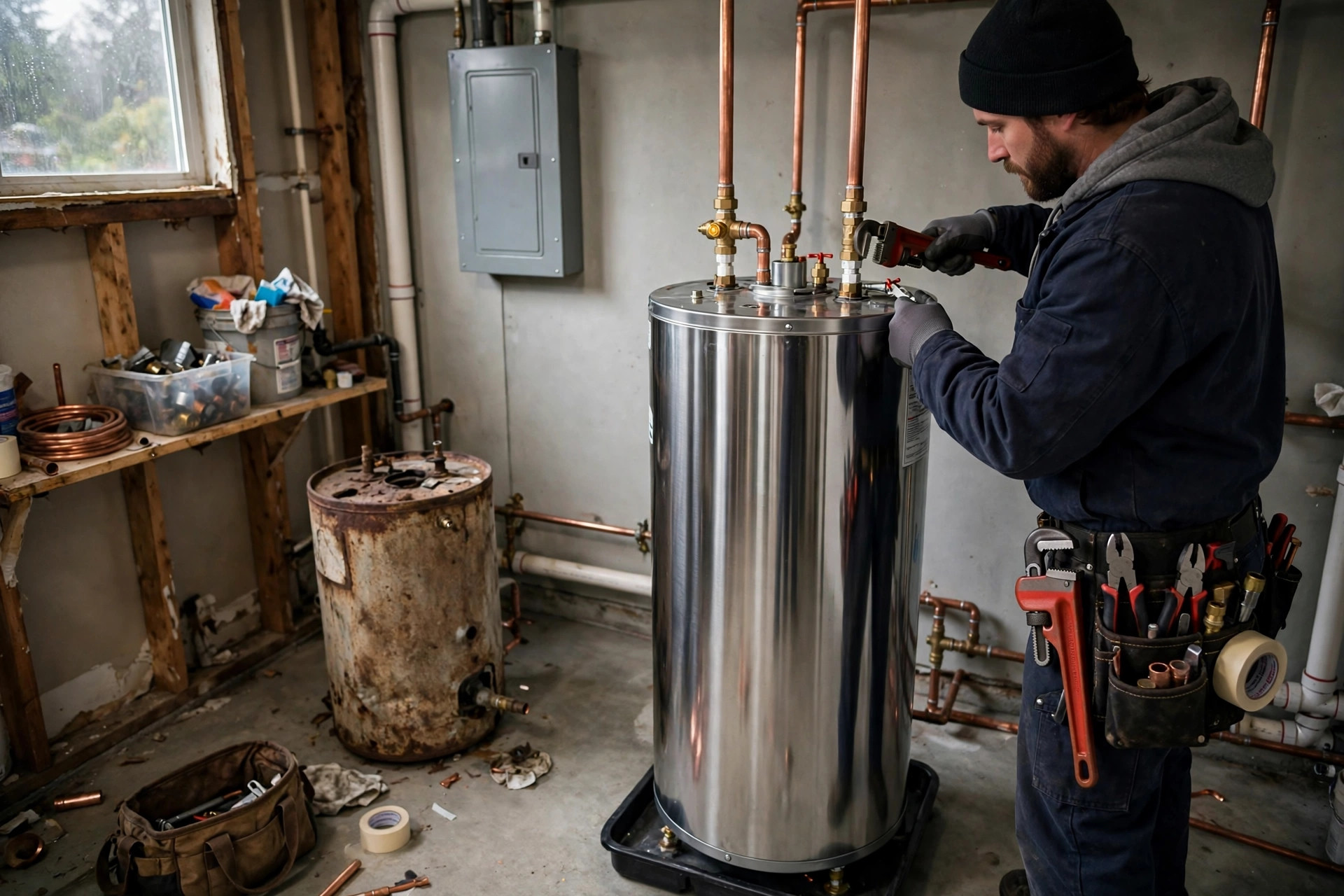
For an affordable water heater installation in Portland in 2026, homeowners can generally expect to pay between $1,200 and $3,500 for a standard tank-style unit, including the heater itself and professional installation. This range accounts for various factors such as the unit's capacity (e.g., 40-gallon, 50-gallon), energy efficiency, and the complexity of the installation. Upgrading to a tankless water heater, while offering long-term savings, will typically start at $3,000 and can go up to $6,000 or more, due to the higher unit cost and more involved installation process, often requiring gas line or electrical service upgrades. These figures are estimates for the Multnomah County area, reflecting the local labor rates and material costs we see across neighborhoods like the Pearl District, Alberta Arts District, and Sellwood-Moreland.
Understanding Water Heater Types and Their Costs
The type of water heater you choose is the primary driver of the overall installation cost. Conventional storage tank water heaters are the most common and generally the most affordable upfront. These units store and heat water continuously, making them reliable for most households. They come in various sizes, with 40-gallon and 50-gallon models being popular choices for average Portland homes. The cost of the unit itself can range from $400 to $1,500, with installation adding another $800 to $2,000 depending on the existing setup. For homes in older neighborhoods like Irvington or Laurelhurst, where plumbing systems might be decades old, installation can sometimes incur additional costs if minor pipe adjustments are needed.
Tankless water heaters, on the other hand, heat water on demand, offering endless hot water and often greater energy efficiency. While their initial purchase price is higher, typically $1,000 to $3,000 for the unit alone, they can lead to significant energy savings over their 20-year lifespan compared to a tank unit's 8–12 years. Installation for tankless models is more complex and thus more expensive, ranging from $2,000 to $3,000 or more. This is because they often require larger gas lines or dedicated electrical circuits, and proper venting is crucial, especially in homes built before modern code, common in areas like Division-Richmond or Woodstock. Considering the mild, wet winters and occasional heat waves we experience in Portland, the energy efficiency of a tankless unit can be a real advantage.
Factors Influencing Installation Costs in Portland
Several factors specific to the Portland area can influence the final cost of your water heater installation. The age and condition of your existing plumbing system play a significant role. Many homes in established areas like Nob Hill or the Mississippi District feature plumbing that may not be up to current code, potentially requiring upgrades to pipes or vents during installation. This is particularly true when converting from a tank to a tankless unit, which demands higher flow rates and different venting. Accessibility to the installation site also matters; a water heater located in a cramped basement or attic can increase labor time and, consequently, cost.
Furthermore, the need for permits is a standard part of water heater installation in Multnomah County. These permits ensure the work complies with local safety and building codes, protecting your home and investment. While the permit fee itself is a relatively small part of the overall cost, typically $50 to $150, it's an important step that adds to the administrative aspect of the job. Choosing a reputable local plumber who understands these local regulations is key to a smooth and compliant installation process. You can learn more about our <a href="/services/water-heater-installation">Water Heater Installation</a> services here.
Maximizing Affordability Without Compromising Quality
To ensure an affordable water heater installation in Portland, consider several strategies. First, always get multiple upfront quotes from different local plumbing companies. This allows you to compare pricing and ensure you're getting a fair rate for the scope of work. Be wary of quotes that seem significantly lower than others, as they might indicate hidden costs or a lack of proper permitting. Second, inquire about energy-efficient models. While they might have a slightly higher upfront cost, the long-term savings on your utility bills, especially with Portland General Electric or Pacific Power rates, can make them a more affordable choice over the lifespan of the unit. Some models may even qualify for local rebates, which can further offset the initial investment.
Another approach is to consider the timing of your installation. While emergencies can't be planned, if your water heater is nearing the end of its life (typically 8–12 years for tank models), proactive replacement during off-peak seasons might offer more flexibility in scheduling and potentially better pricing. Regular <a href="/blog/how-to-flush-water-heaters-in-portland-homes">flushing of your water heater</a> can also extend its life, delaying the need for replacement. Finally, discuss warranty options with your installer. A good warranty on both the unit and the labor provides peace of mind and protection against unexpected costs down the line. Our team, based right here in Portland, operates Mon–Fri 8am–6pm, Sat 9am–2pm, making it easy to schedule a consultation.
Beyond the Initial Cost: Long-Term Value and Maintenance
When evaluating affordability, it's crucial to look beyond the immediate installation cost and consider the long-term value and maintenance requirements. A cheaper unit with poor energy efficiency or a shorter lifespan might end up costing you more in utility bills and premature replacement. Regular maintenance, such as flushing your tank annually to remove sediment, is vital for extending the life of your water heater and maintaining its efficiency, particularly given Portland's water quality. Sediment buildup can reduce efficiency and lead to premature failure, a common issue we address in homes across Multnomah County.